Physical Address
304 North Cardinal St.
Dorchester Center, MA 02124
Physical Address
304 North Cardinal St.
Dorchester Center, MA 02124

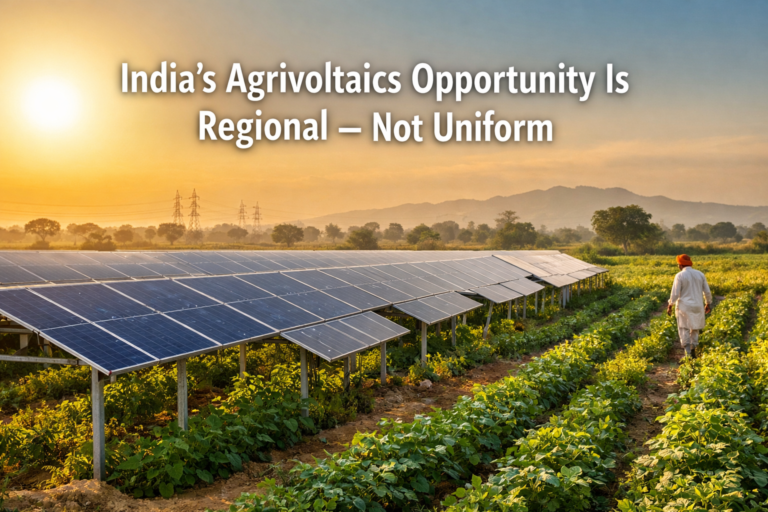
A national-scale analysis reveals that agrivoltaics in India will not scale everywhere equally. Strong potential exists in specific regions, but policy and planning must evolve to match geography.
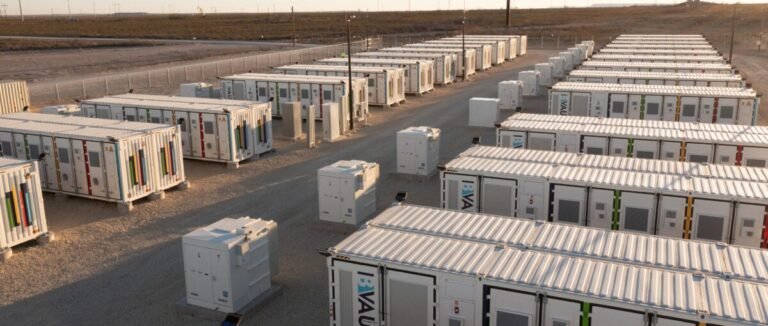
India’s battery energy storage sector is entering a critical phase. After record tendering activity, 2026 will test whether projects can move from contracts to reliable grid-scale delivery.
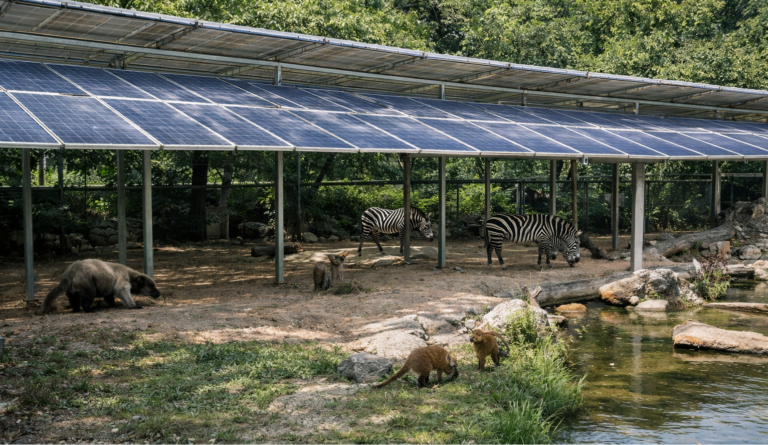
Agrivoltaics is often explained in simple terms: solar panels above crops.That description worked at the beginning. However, it no longer captures what the field has become. As agrivoltaics expands beyond small pilot projects, a deeper problem is emerging. Policymakers struggle…

India’s renewables are growing fast but without serious storage, daytime solar will be curtailed and coal will keep filling the night gap. Here’s what the numbers are really saying.

India is quietly emerging as a key solar module supplier to the United States. As trade policies reshape global supply chains, the numbers reveal a deeper shift underway.
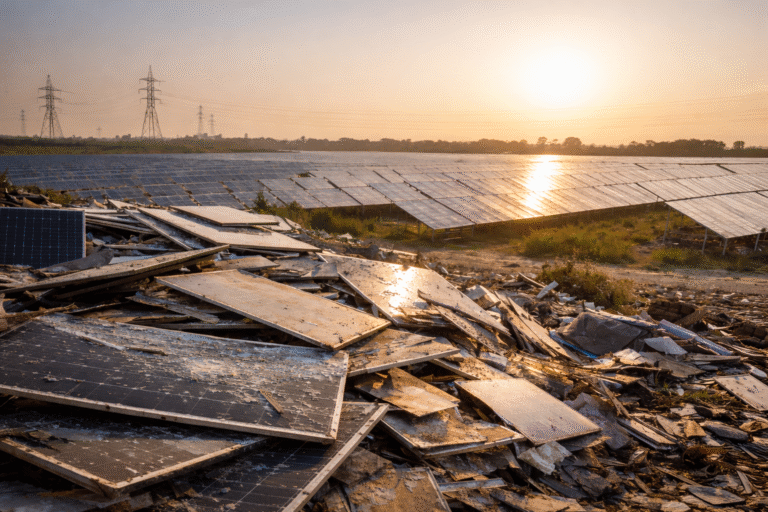
India’s solar expansion has transformed rooftops and landscapes nationwide, reducing coal use and emissions. But as panels age, a growing solar waste challenge is emerging, raising questions about how clean the transition truly is.
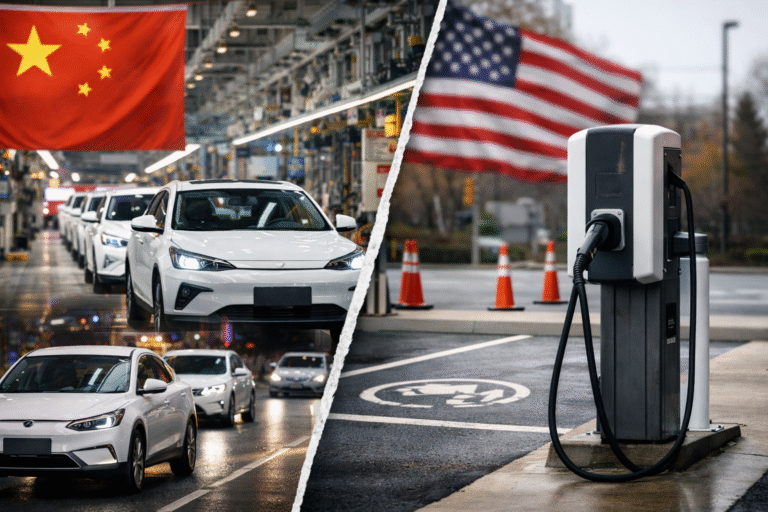
China is scaling electric vehicles at record speed, targeting 10 million EVs a year. Meanwhile, the United States is struggling to expand charging infrastructure, with legal battles slowing the transition to electric transport.

Clean energy jobs are rising faster than any other workforce segment. This article explores why demand for green skills is exploding and what it means for Australia’s clean energy future.
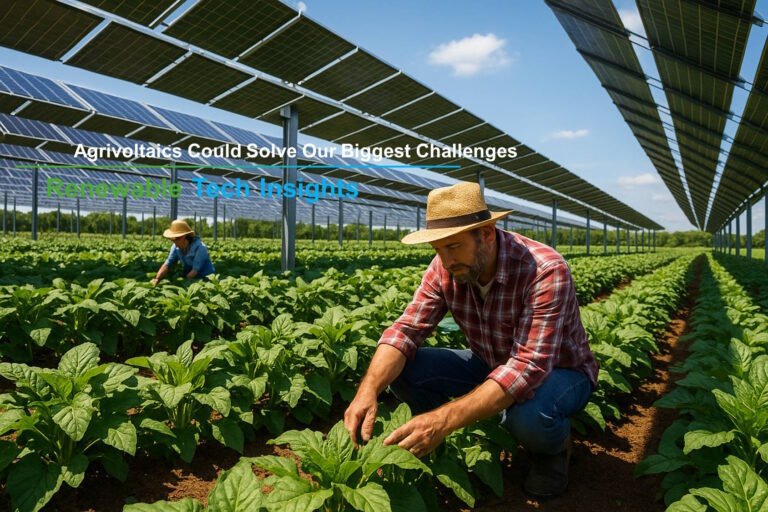
By 2050, we’ll need 70% more food, 50% more energy, and far more land than the planet can offer. Agrivoltaics may be the rare solution that delivers both, food and electricity, on the same piece of land. From increased crop yields to rural electrification, this dual-use technology is already transforming farms around the world. Here’s why agrivoltaics could become one of the most important tools for feeding and powering a 10-billion-person planet.
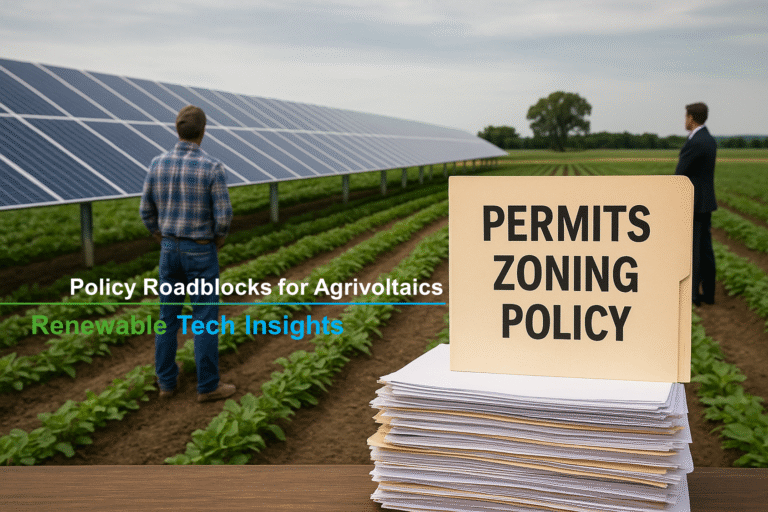
Agrivoltaics is growing fast, but policy, not technology, is deciding where it succeeds. From Europe’s gold-standard incentives to India’s farmer-first subsidies and Australia’s cautious pilots, governments are shaping who gets to benefit and who gets left behind. Here’s how regulations, permits, and programs are determining the real future of solar-powered farming.