Physical Address
Sydney, Australia 2564
Physical Address
Sydney, Australia 2564
India’s battery energy storage sector is entering a critical phase. After record tendering activity, 2026 will test whether projects can move from contracts to reliable grid-scale delivery.
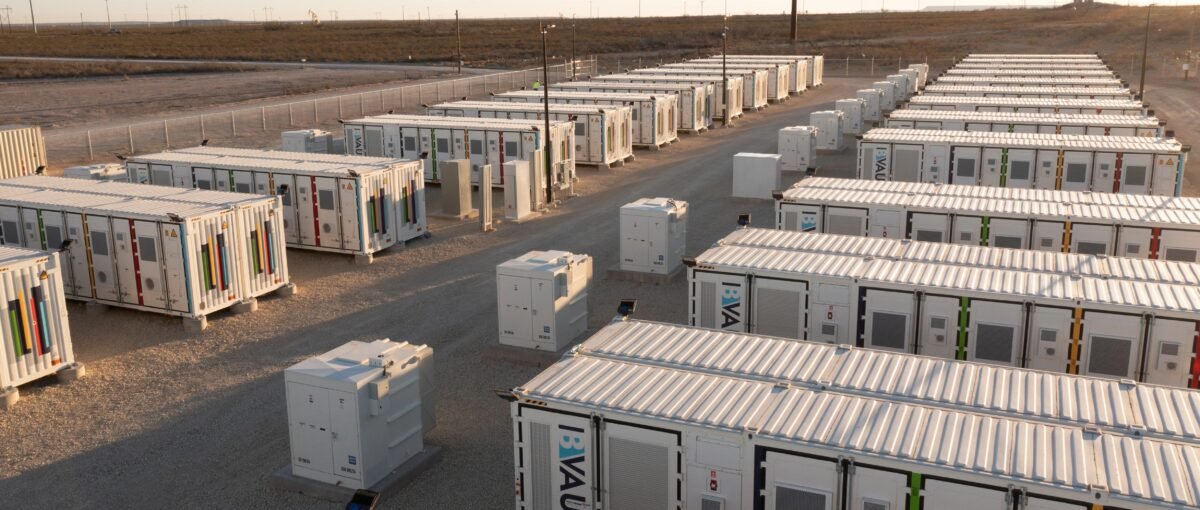
India’s energy storage sector is moving fast. For years, storage stayed in the “early stage” bucket. Now that is changing. In 2026, India will start building and commissioning projects at a scale the country has not seen before.
A new study from the India’s Energy Storage Alliance (IESA) expects a sharp jump in battery energy storage additions. Capacity could rise from about 507 MWh in 2025 to around 5 GWh in 2026. That is close to a tenfold increase. In other words, India’s energy storage sector is shifting from planning to delivery.
This matters because storage will soon support the daily operation of the grid. It will not remain a side technology. So 2026 will become a “proof year” for performance, timelines, and finance.
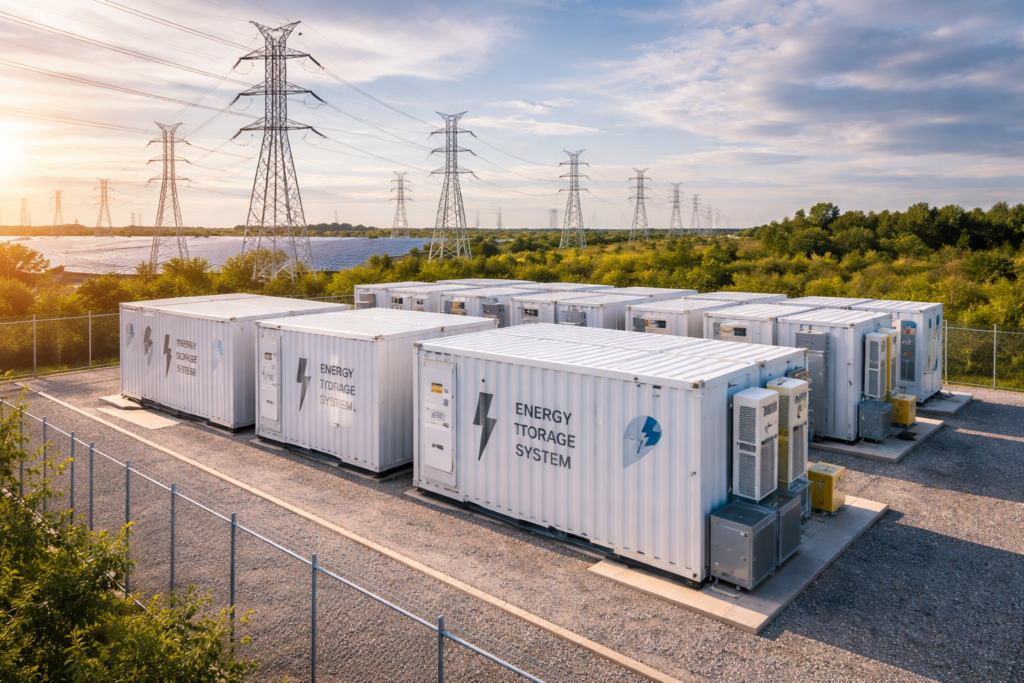
In 2025, India saw a surge in tendering. IESA reported 69 tenders adding up to 102 GWh of capacity. That volume almost matched the total tenders issued between 2018 and 2024 combined. As a result, the India’s energy storage pipeline under execution rose to around 224 GWh, up roughly 84% in a year.
Those numbers look impressive. However, tendering is the easy part. Execution is harder. Projects must now move through engineering, procurement, shipping, site work, grid approvals, and commissioning.
Most large battery projects take 18 to 24 months from award to commissioning. Because of that, many projects awarded in 2024 and 2025 will hit their delivery phase in 2026. Therefore, 2026 will test whether the sector can build on schedule and operate reliably.
India’s renewable energy capacity continues to rise. Solar now supplies large volumes during the day. Wind adds variability across seasons and regions. That pattern creates a simple grid challenge: supply does not always match demand.
This is where storage matters. Batteries can help in practical ways. For example, they can:
So the story is not only about “more projects.” It is about grid value. If batteries perform well, utilities gain confidence. If they do not, utilities will hesitate in the next round.
In short, 2026 will show whether India can move from awards to dependable assets.
In 2025, India’s energy storage tariffs fell sharply. Standalone two-hour BESS tariffs dropped from about ₹2.21 lakh per MW per month early in the year to around ₹1.48 lakh per MW per month by year-end in an APTRANSCO tender. Meanwhile, solar-plus-four-hour BESS tariffs fell into the ₹2.70–2.76 per unit range.
Lower prices can be good news. They can signal better supply chains, more competition, and faster learning. Also, more than 50 new bidders entered the market, which pushed prices down.
However, low tariffs can also create stress. Developers must still pay for batteries, inverters, transformers, land, civil work, and grid connection. They must also meet performance guarantees over many years. If costs rise or performance dips, returns can shrink quickly.
IESA President Debmalya Sen raised a key point: the sector must now prove that projects can meet what they promised. Financing will matter even more, especially for projects won at low tariffs. Therefore, lenders will watch early projects closely.
A few large projects will set the tone for the market. These projects will show what is possible in India at scale.
One major example is Adani’s battery storage project in Gujarat, sized at 1,126 MW / 3,530 MWh. It is one of the largest single-location BESS projects reported. If this project performs well, it will boost confidence. If it faces delays or underperformance, it will raise questions.
Other major steps also look important. Rajasthan is expected to launch a very large solar-plus-BESS tender at Pugal Solar Park. At the same time, the commercial and industrial segment is picking up. For example, Juniper Green Energy commissioned a 60 MWh merchant BESS installation in December.
Together, these projects will send a signal. They will influence future bid pricing and bank comfort. They will also shape how utilities write the next set of tenders.
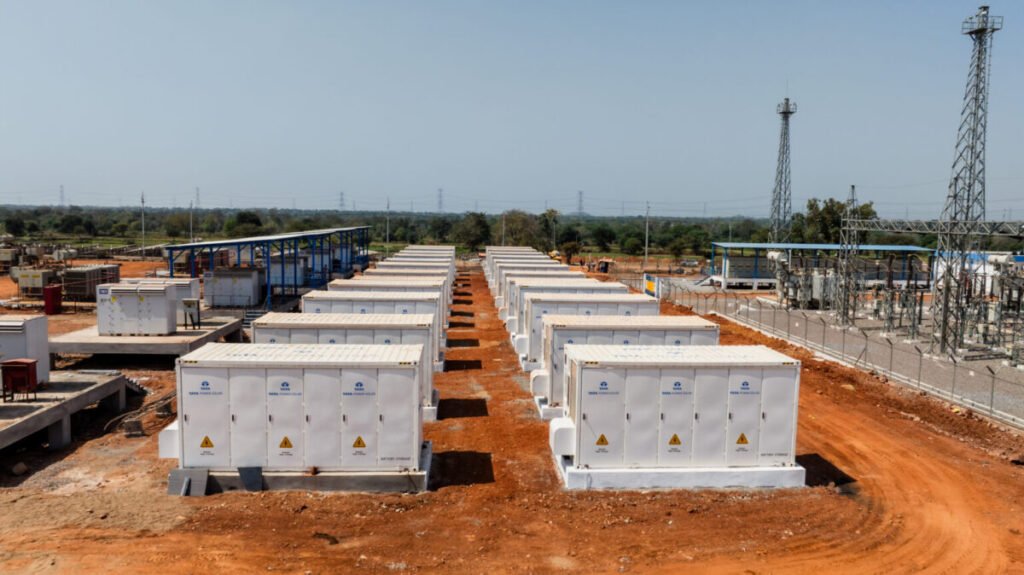
India has strengthened policy support for storage. The report highlights several measures. These include a second tranche of Viability Gap Funding of ₹5,400 crore for 30 GWh of standalone BESS. It also includes a 20% domestic value addition requirement. In addition, interstate transmission system (ISTS) charge waivers for pumped storage and solar-plus-BESS projects have been extended until 2028.
Policy support helps, and it clearly boosts momentum. Still, policy alone cannot deliver megawatt-hours. Projects must meet timelines. They must also meet performance and safety standards.
This is why 2026 matters so much. The sector is moving from “award announcements” to “operational proof.” As Vinayak Walimbe of Customized Energy Solutions noted, this shift marks a watershed moment for India’s storage industry.
India’s battery storage market is entering a phase where delivery matters more than ambition. By the end of 2026, India is likely to have 4–6 GWh of operating battery storage, even if only part of the current project pipeline is completed on time. That growth would place India among the fastest-expanding storage markets, although it will still trail China, the U.S., and Europe in total capacity.
Looking ahead, India will need far more storage. Most grid studies estimate a requirement of 40–60 GWh by 2030 to support renewable energy growth and manage peak demand. To reach even the lower end of that range, annual storage deployment would need to rise to 6–8 GWh per year after 2026. This would mark a major shift from today’s pace.
Three factors will decide whether this scale-up succeeds. First, early projects must show reliable performance, including high availability and predictable battery ageing. Second, project financing must remain viable under today’s low tariffs, especially for contracts below ₹1.5 lakh per MW per month. Third, grid operators must trust storage as a daily system tool, not just a backup solution.
If these conditions are met, battery storage could move from a tender-driven market to a core grid asset by the late 2020s. If not, project awards may continue while real-world commissioning slows. In that sense, 2026 will shape not just capacity numbers, but the credibility of India’s energy storage sector.
By 2026, India’s storage market will be judged not by how much it tenders, but by how reliably its batteries perform on the grid.