Physical Address
Sydney, Australia 2564
Physical Address
Sydney, Australia 2564
India’s renewables are growing fast but without serious storage, daytime solar will be curtailed and coal will keep filling the night gap. Here’s what the numbers are really saying.
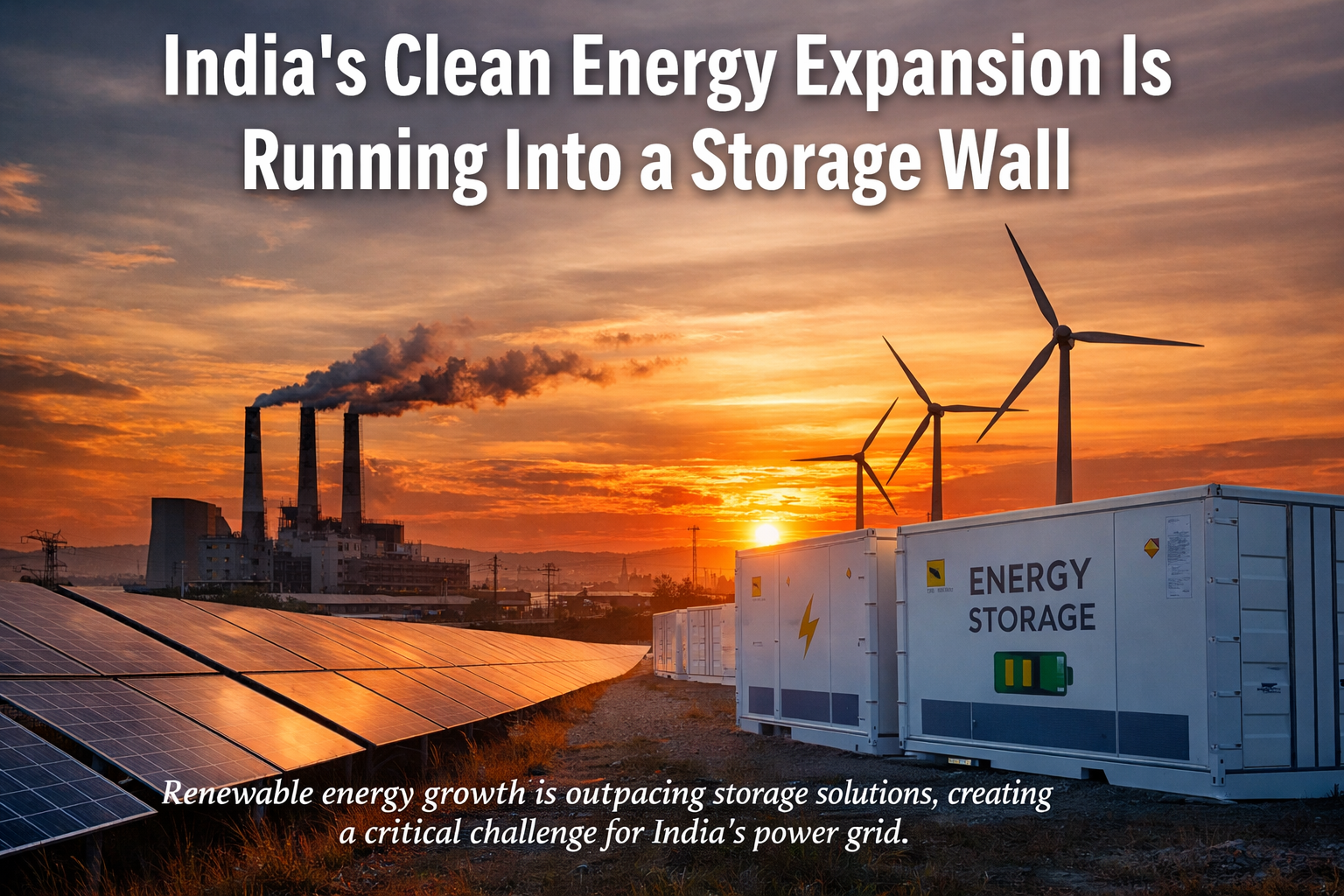
India’s clean energy rollout has reached a stage where the main constraint is no longer how quickly solar and wind capacity can be added, but whether the power system can absorb and use that electricity when it is generated. Recent solar tenders totalling around 40 GW were left unawarded, not because of weak interest in clean energy, but due to growing concerns about surplus generation during daytime hours.
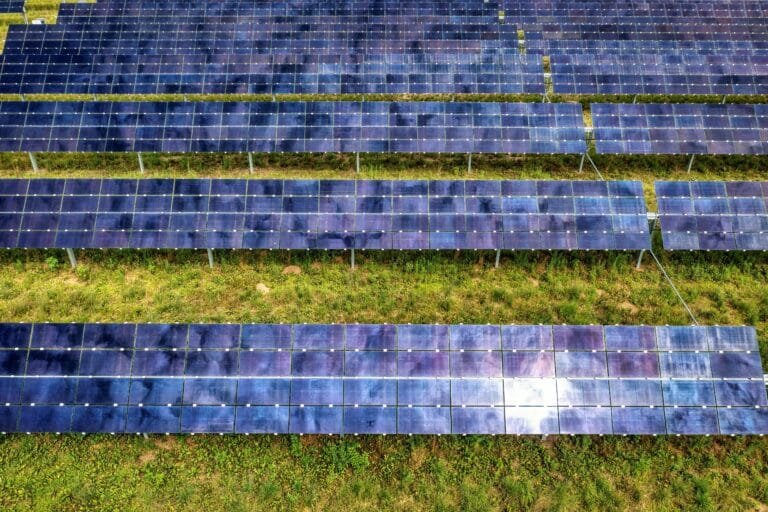
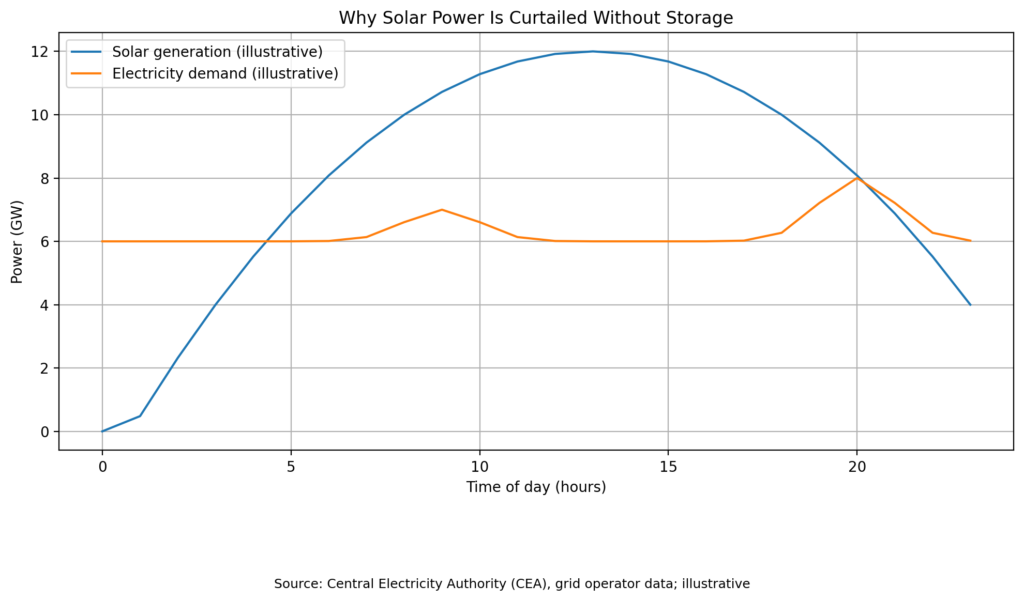
Large solar parks across multiple states now illustrate the scale of deployment achieved so far. Yet this success has exposed a deeper system-level challenge. Solar output peaks when electricity demand is often moderate, while consumption rises sharply in the evening. Without sufficient storage, excess clean energy generation is curtailed during the day, only for coal-fired plants to fill the gap after sunset.
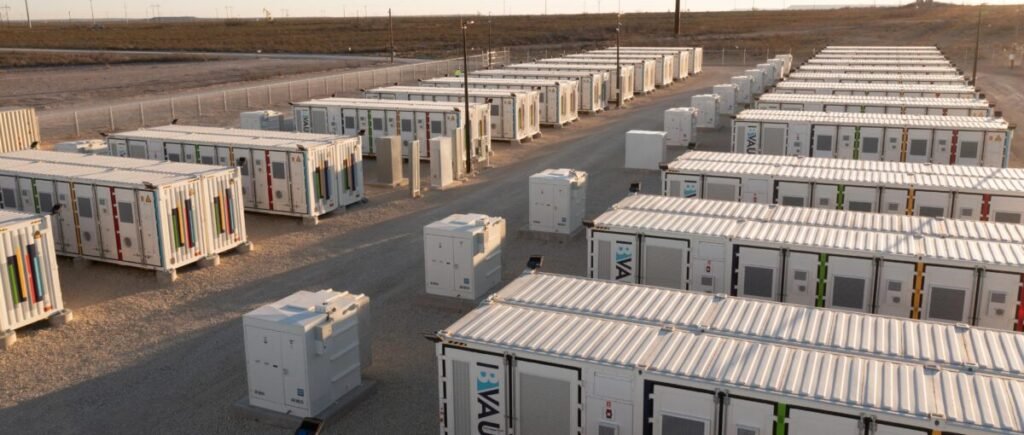
India’s grid currently has only a few hundred megawatts of grid-scale energy storage, an almost negligible figure for a power system approaching 500 GW of installed capacity. Grid planners and energy analysts estimate that storage capacity will need to scale to 25–30 GW by the early 2030s to support India’s clean energy targets and maintain reliability.
A simple comparison of daytime solar generation and evening demand curves makes the problem clear. Electricity systems require constant balance between supply and demand, and variable clean energy cannot meet this requirement on its own. As renewable penetration rises, additional solar capacity increasingly delivers diminishing system-level value, raising curtailment risk and weakening project economics in high-renewable regions.
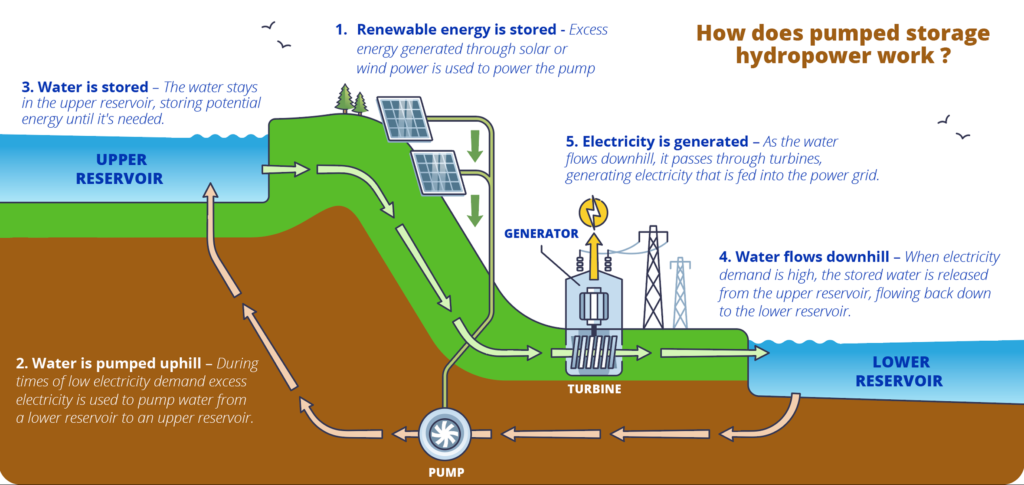
Different storage technologies play distinct roles in stabilising the grid. Battery storage systems are well suited to short-duration balancing, typically providing two to four hours of flexibility to manage afternoon oversupply and evening ramps. Pumped hydro storage, by contrast, offers longer-duration balancing, enabling excess renewable energy to be shifted across nights or even seasons.
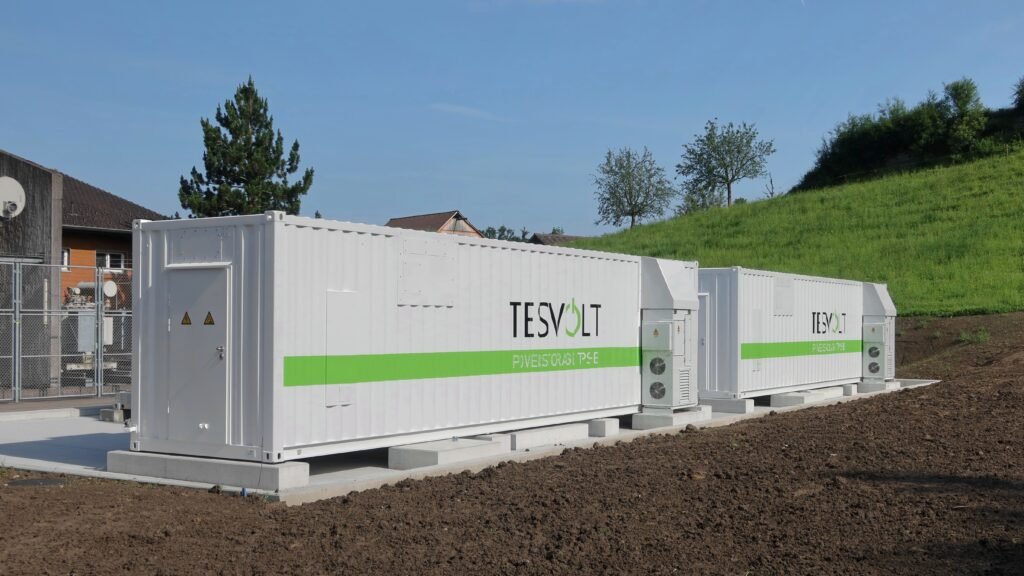
While India has significant pumped hydro potential, project development has been slow due to land constraints, environmental clearances, and long gestation periods. Battery storage deployment is moving faster, but remains limited in scale relative to system needs.
Renewable capacity targets are announced years in advance, but storage goals remain fragmented and often tendered separately. As renewable penetration increases, this separation becomes harder to sustain. Storage is no longer an optional add-on; it is core infrastructure that determines whether renewable electricity can displace fossil generation.
The absence of integrated planning increases uncertainty for developers and investors. Grid-scale storage targets need to be announced alongside solar and wind goals, supported by clear procurement frameworks and long-term visibility. Without this alignment, the system risks repeating a cycle of rapid capacity addition followed by rising curtailment.
Battery costs have declined sharply over the past decade, improving the economics of storage deployment. While storage still adds to upfront project costs, it reduces curtailment, improves utilisation, and increases the value of renewable electricity delivered to the grid.
International experience shows that renewables paired with storage can displace fossil generation more consistently across the day, rather than only during periods of peak sunshine or wind. Delaying storage deployment risks locking in inefficient operating patterns that are harder and more expensive to correct later.
India’s clean energy transition is entering a more complex phase. The challenge ahead is not just adding renewable capacity, but building the infrastructure that allows clean electricity to be stored, shifted, and dispatched when it is needed.
Without a coordinated expansion of storage, India’s clean energy push will continue to face structural limits. With it, the country can move closer to a power system where clean energy is not only abundant during the day, but reliable around the clock.
India’s clean energy ambitions will increasingly be constrained not by generation capacity, but by system flexibility. Without rapid expansion of battery and pumped hydro storage, additional solar and wind installations risk delivering diminishing returns. Storage is no longer a supporting technology, it is the enabling layer that determines whether India’s clean energy transition can move from scale to reliability.