Physical Address
Sydney, Australia 2564
Physical Address
Sydney, Australia 2564
Bill Gates urges COP30 leaders to focus on innovation and human welfare, making clean energy affordable while improving lives worldwide.
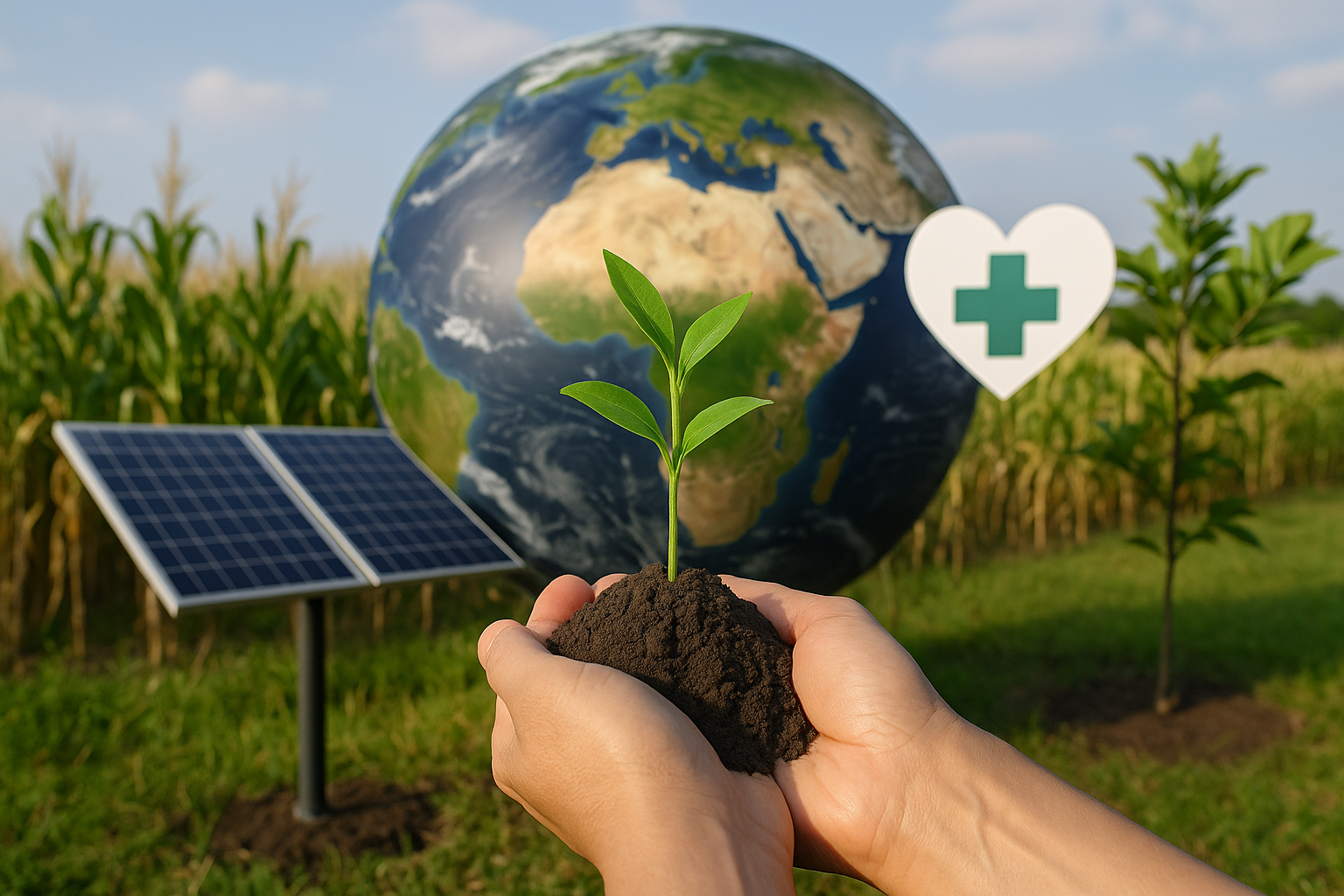
When Bill Gates speaks about climate change, the world tends to listen. His latest essay, “Three Tough Truths About Climate,” released ahead of COP30 in Brazil, does not downplay global warming, it reframes it. Gates argues that while climate change is a defining challenge of this century, it is not humanity’s most immediate or singular threat. Poverty, malnutrition, and disease still end more lives each year than rising temperatures, and the fight against climate change must not come at their expense. His message is not one of denial but of proportion: we need to tackle emissions and human suffering together.
Gates cautions against what he calls the “doomsday view” of climate change, the idea that civilization will collapse within decades. He notes that although the risks are grave, progress has been remarkable. Emissions projections are falling, clean technologies are scaling, and innovation continues to make low-carbon options cheaper and more reliable. The danger, he suggests, is not in underestimating the threat but in letting alarm overshadow the practical steps that matter most. If we focus exclusively on near-term emissions targets, we risk diverting limited resources away from areas where they could do the most good for the most vulnerable people.
That argument comes at a critical time. Global aid budgets are tightening, while developing countries shoulder mounting debt and climate impacts simultaneously. According to Bill Gates, shifting money from proven health and development programs to short-term climate initiatives can do more harm than good. Vaccination campaigns, nutrition programs, and agricultural innovations have already saved millions of lives; cutting their funding in the name of decarbonisation could erode the very resilience poor nations need to withstand future heat, drought, and disease. “We have to think rigorously and numerically,” he writes, “about how to put the time and money we do have to the best use.”
His solution, as ever, lies in innovation. Through his Breakthrough Energy network, Bill Gates has backed more than 150 clean-tech companies working on everything from energy storage and green hydrogen to carbon-neutral cement. The goal is to eliminate the “green premium”, the cost gap between clean and polluting technologies, so that the clean choice becomes the economical one. He argues that only by driving down these costs can the world realistically reach zero emissions while maintaining economic growth and improving living standards. In this view, technological progress is not a luxury; it is the bridge between climate ambition and human welfare.
For Bill Gates, decades of work through the Gates Foundation have shaped this perspective. Efforts to combat malaria, malnutrition, and poor crop yields across Africa and Asia have taught him that climate vulnerability is rooted in poverty as much as in temperature rise. A child without access to vaccines or irrigation is far more exposed to the next climate shock than one with both. That is why he believes success at COP30 should be measured not only in degrees of warming avoided but in lives improved. Climate policy that strengthens food security, healthcare, and economic opportunity in the Global South will do more to safeguard humanity than any single emissions pledge.
Gates’s essay aligns neatly with Brazil’s priorities for COP30, where leaders plan to spotlight adaptation and inclusion alongside decarbonisation. His message,’that climate, poverty, and health are inseparable’, is a reminder that sustainability is ultimately a human project. It invites a broader, steadier vision of progress: one where clean energy innovation, equitable growth, and public health move forward together. Climate change may not be the world’s only threat, but addressing it wisely could help solve many others.



Leave a Reply