Physical Address
304 North Cardinal St.
Dorchester Center, MA 02124
Physical Address
304 North Cardinal St.
Dorchester Center, MA 02124

Clean energy jobs are rising faster than any other workforce segment. This article explores why demand for green skills is exploding and what it means for Australia’s clean energy future.
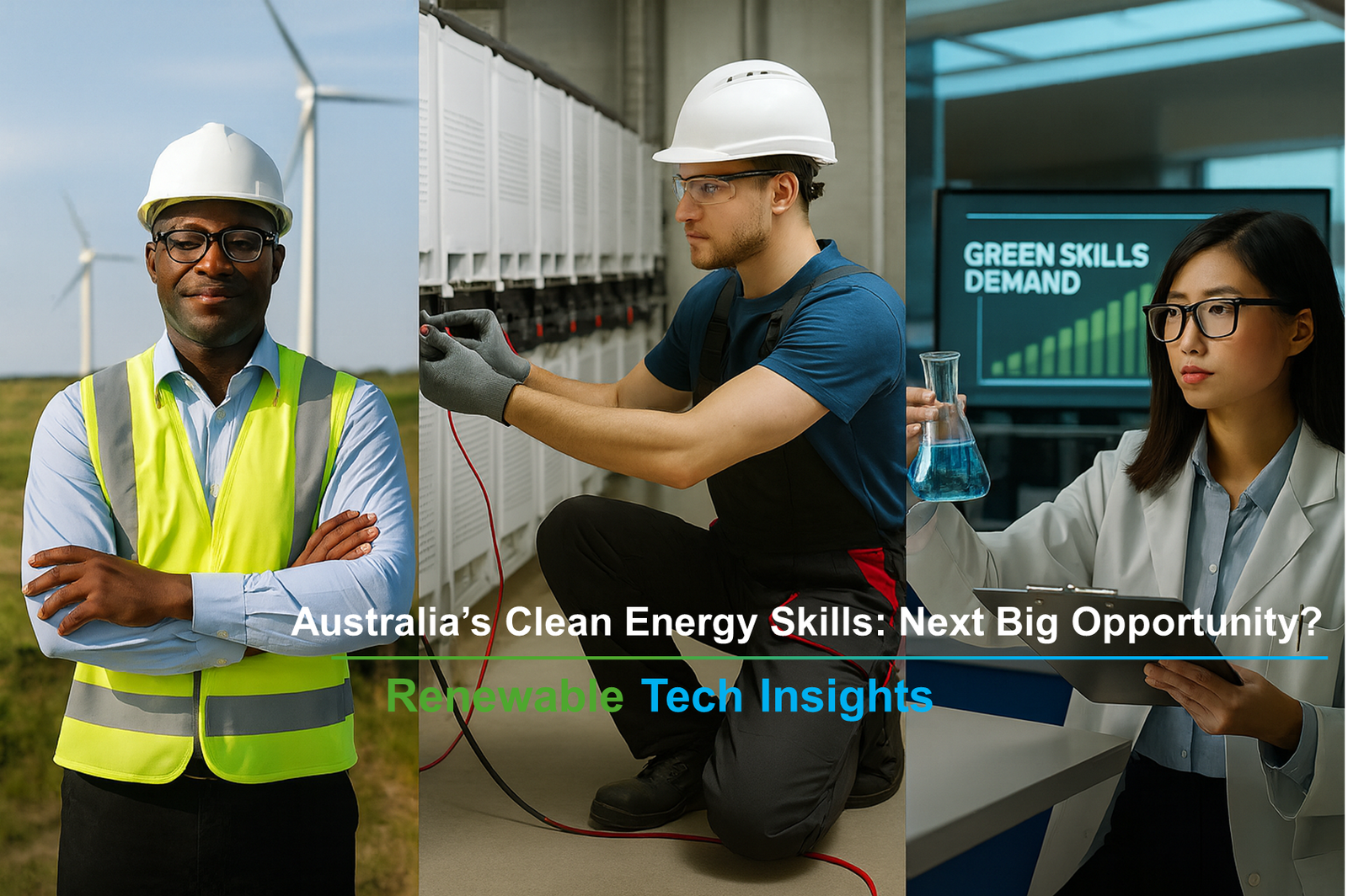
Around the world, the race to cut emissions is no longer just about technology. It’s now a competition for people. A recent LinkedIn News update highlighted that demand for green talent is soaring, and nowhere is that trend more visible than in Australia’s fast-growing clean energy sector. Solar farms, large-scale batteries, hydrogen projects, and new grid infrastructure are expanding at record speed, but the number of skilled workers available to build and operate them is not keeping up.
Australia is accelerating toward its goal of 82% renewable electricity by 2030, and every piece of that transformation depends on people with the right skills. From engineers and electricians to data analysts, sustainability specialists and AI-focused energy technologists, the new energy workforce is emerging as one of the country’s most important economic assets. And that makes green skills not just an environmental advantage but a career opportunity that could define the next decade.
The growth in clean energy jobs isn’t happening by accident. It’s being driven by rapid investment, rising corporate commitments, and the simple fact that clean energy is now the cheapest form of new electricity generation.
Australia is building renewable projects at a scale the country has never seen. Recent events such as All Energy Australia 2025 showed how fast the sector is maturing. Conversations are shifting from “how do we build more solar?” to “how do we integrate it, store it, manage it, and run it smarter?” Large-scale renewable hubs like the Pilbara Solar Innovation Hub, backed by ARENA and Fortescue, aim to test new technologies that can cut costs and speed up deployment. Similar momentum is visible in the battery sector, where local and international companies are investing in long-duration storage, grid services, virtual power plants, and industrial backup systems.
These are complex projects. They require teams who understand engineering, climate technology, automation, AI, environmental compliance, and digital energy systems. And because renewable energy is now central to global supply chains, companies with international links feel the talent pressure even more. Major tech manufacturers, mining companies, data centres, and corporate RE100 signatories need staff capable of guiding them through a low-carbon transition. This demand is reshaping the job market faster than many people realise.
The shift is also technological. Clean energy is becoming more digital every year. Solar trackers, batteries, inverters, and microgrids are now managed using software, sensors, predictive algorithms, and machine learning tools. That means the sector isn’t just looking for electricians or engineers, it’s also looking for cybersecurity specialists, AI modellers, coders, GIS analysts, and sustainability reporting professionals.
In short, the energy transition is becoming a talent transition.
The clean energy boom is creating opportunities across almost every part of the economy, but a few areas stand out. Solar remains the backbone, with record installations worldwide and growing interest in advanced materials, manufacturing, and utility-scale design. Australia’s own push toward ultra-low-cost solar, including projects like the Pilbara Innovation Hub will need a new generation of designers, technicians, robotics operators, and field engineers who can deliver gigawatts of capacity safely and at speed.
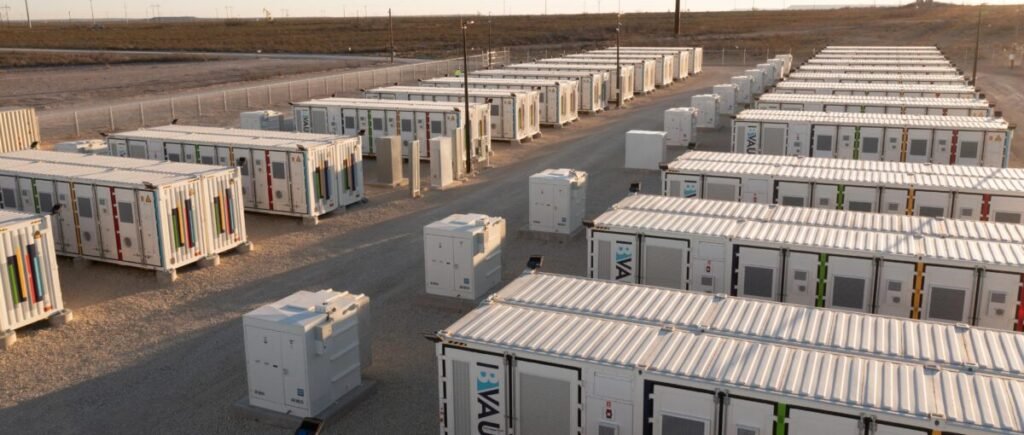
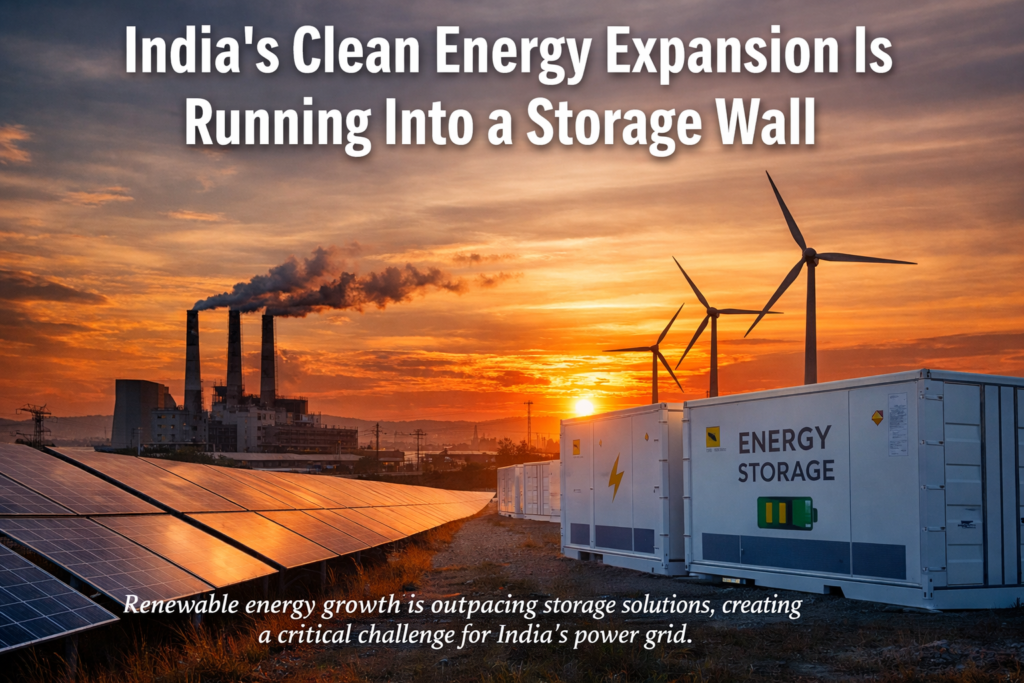
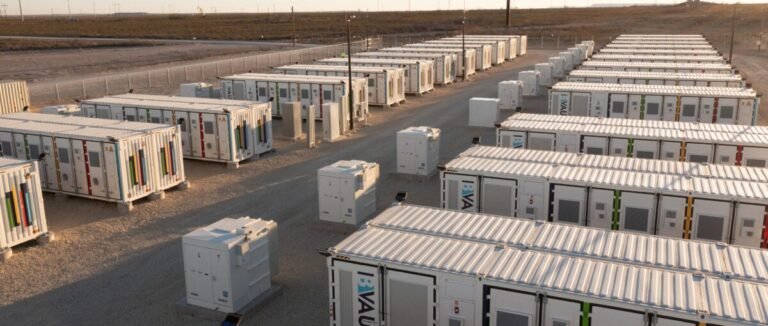
Batteries and energy storage are expanding even faster. Whether it’s home batteries, commercial storage systems, or utility-scale liquid-cooled solutions launched at All Energy Australia 2025, this sector will require specialists in thermal management, grid integration, and digital monitoring. Companies are already competing for staff who understand how to install, maintain, and optimise both lithium-ion and emerging long-duration technologies.
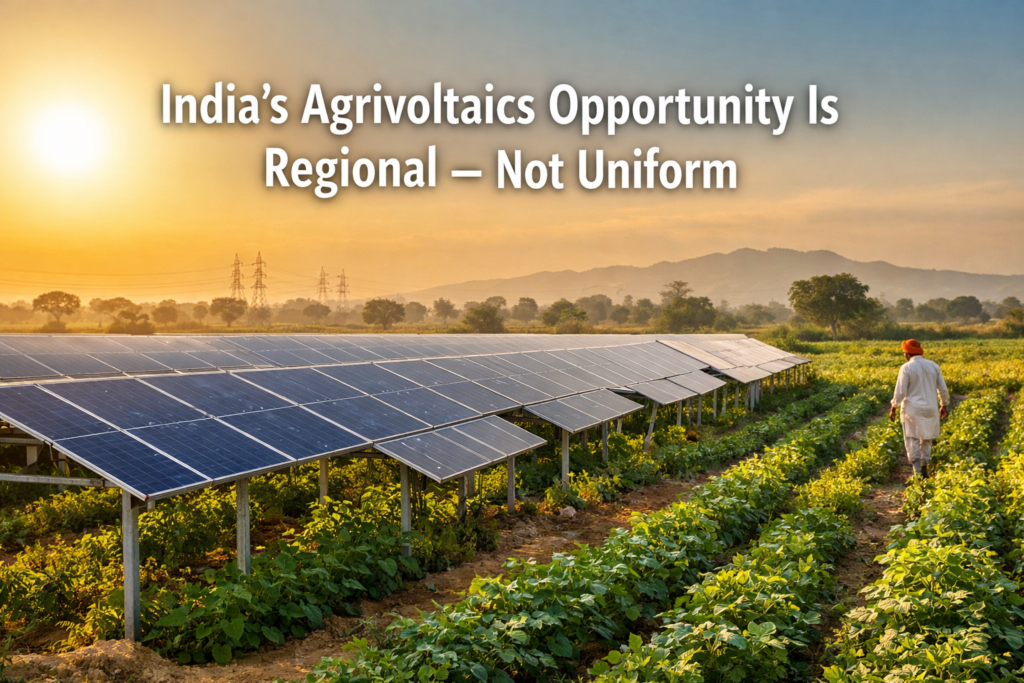
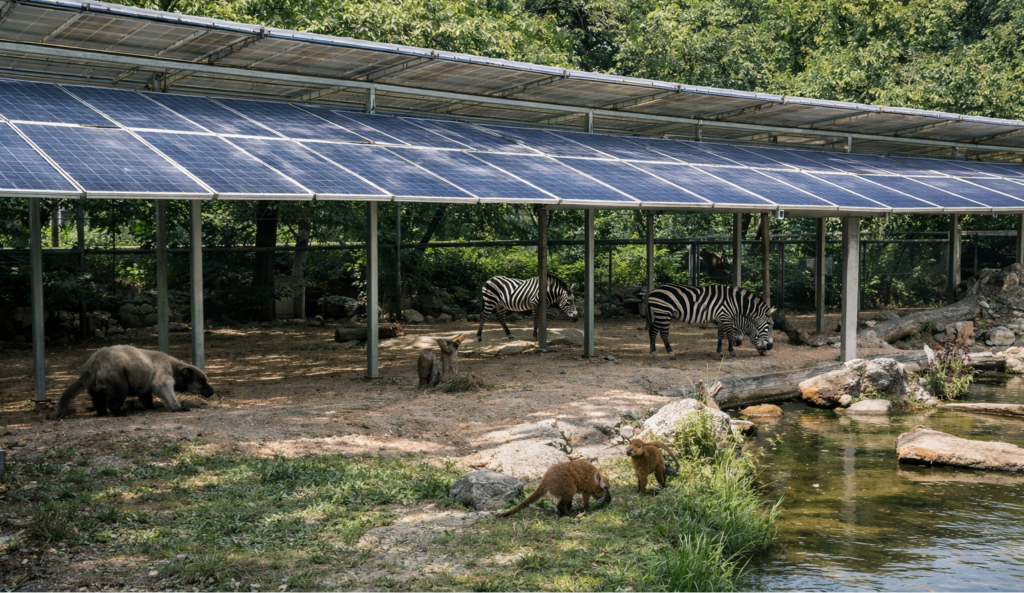
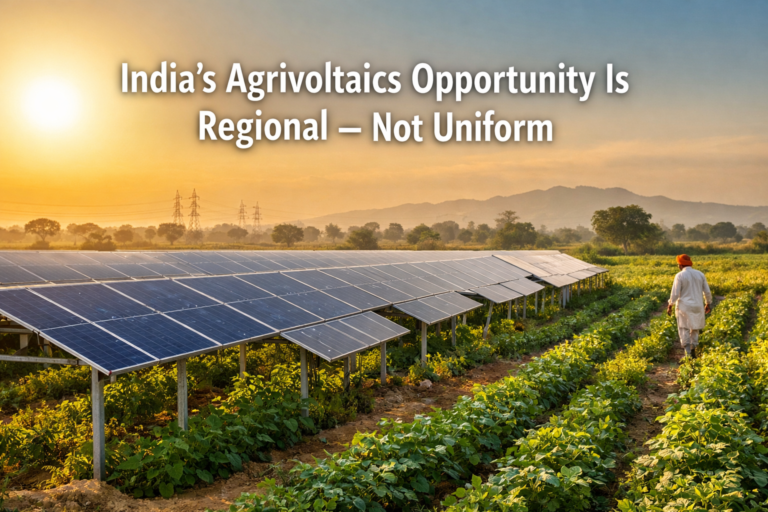
The rise of green hydrogen adds another layer of demand. Australia’s electrolyser plants, hydrogen hubs, and ammonia export projects will need mechanical engineers, chemical engineers, safety experts, and operators trained for a new kind of industrial infrastructure. Add to this the fast-growing field of agriphotovoltaic, where solar and agriculture are combined and we see another emerging area for skilled workers in farming, energy modelling, crop optimisation, and field analytics.
Finally, the entire grid is becoming smarter. AI-driven forecasting, monitoring platforms, digital twins, and demand-response systems are creating roles for workers who understand both energy and software. For graduates and students entering the field, this blend of digital skills and energy knowledge could become one of the most valuable combinations in the job market over the next decade.
For all the growth, Australia faces a real challenge: there aren’t enough skilled workers to meet the needs of the energy transition. Universities are producing fewer engineers than the country requires. TAFE programs are expanding but must scale quickly. Startups need specialised talent that is difficult to find, and many large projects rely on overseas workers to bridge gaps.
Policy, education and industry need to align more closely. Apprenticeships and technical training programs must grow to match the pace of installation. Engineering degrees need stronger links to renewable energy companies so that graduates gain the skills industry actually needs. Migration settings could help fill gaps in areas like grid engineering and hydrogen, but long-term success requires a strong local pipeline of talent.
Australia has the opportunity to lead globally in solar, storage, hydrogen, and smart-grid technology, which we have seen from earlier successes on silicon photovoltaic and redox flow battery technologies, but it will only reach that potential if it treats talent as seriously as infrastructure.
The shift toward clean energy will shape careers, industries, and national competitiveness for decades. The world’s demand for green talent is rising, and Australia is one of the countries where that shift is most visible. Behind every solar farm, battery project, and hydrogen hub is a workforce that must grow quickly and skillfully.
For students, early-career professionals, and mid-career workers looking for a new direction, clean energy skills represent one of the strongest economic opportunities of this generation. And for companies and policymakers, the message is equally clear: building clean energy is not just about panels, turbines, and storage systems, it’s about people.