Physical Address
304 North Cardinal St.
Dorchester Center, MA 02124
Physical Address
304 North Cardinal St.
Dorchester Center, MA 02124

All about solar photovoltaic technologies, installations, research, and market trends.
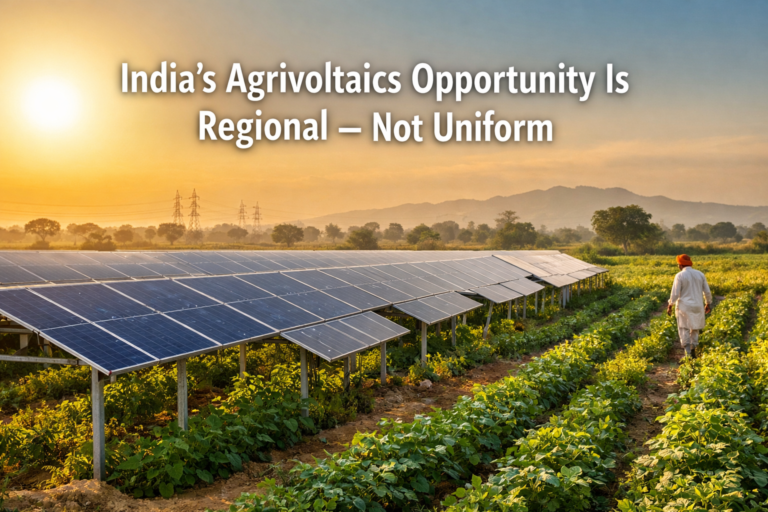
A national-scale analysis reveals that agrivoltaics in India will not scale everywhere equally. Strong potential exists in specific regions, but policy and planning must evolve to match geography.
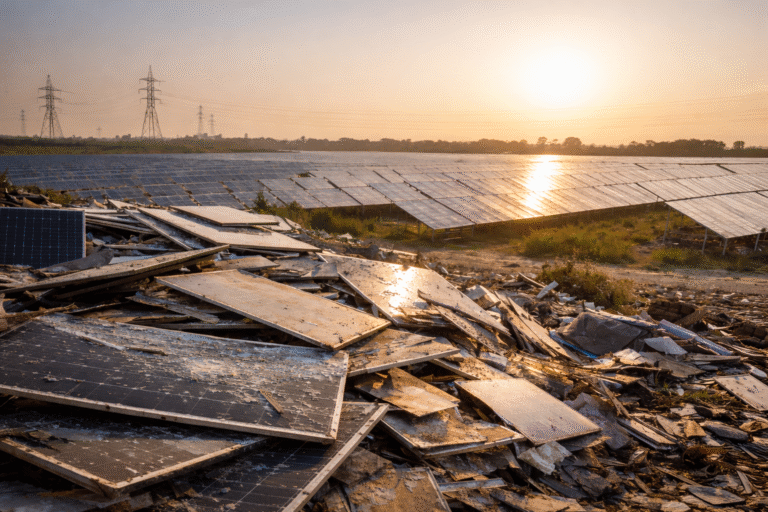
India’s solar expansion has transformed rooftops and landscapes nationwide, reducing coal use and emissions. But as panels age, a growing solar waste challenge is emerging, raising questions about how clean the transition truly is.
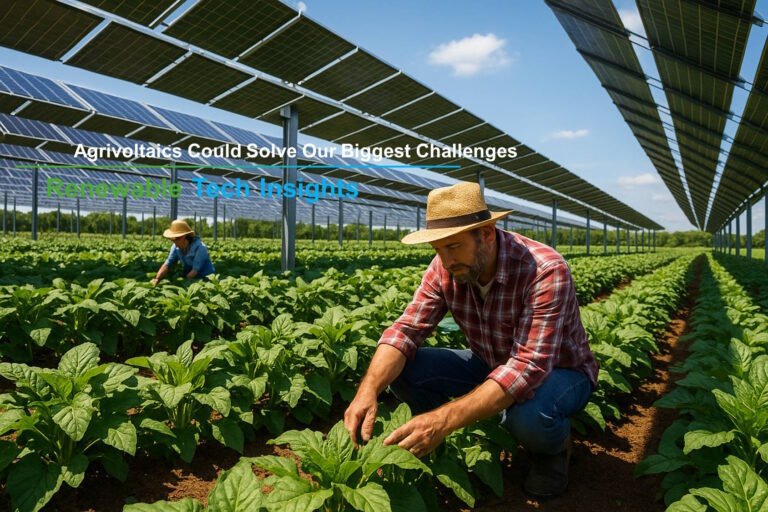
By 2050, we’ll need 70% more food, 50% more energy, and far more land than the planet can offer. Agrivoltaics may be the rare solution that delivers both, food and electricity, on the same piece of land. From increased crop yields to rural electrification, this dual-use technology is already transforming farms around the world. Here’s why agrivoltaics could become one of the most important tools for feeding and powering a 10-billion-person planet.
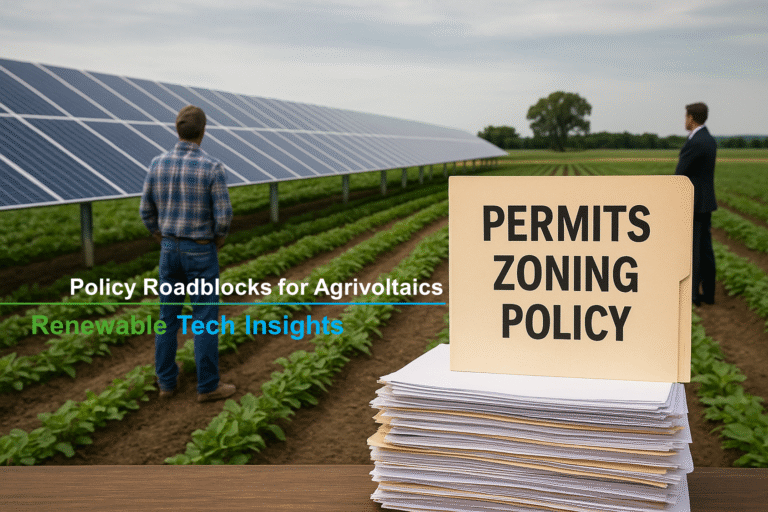
Agrivoltaics is growing fast, but policy, not technology, is deciding where it succeeds. From Europe’s gold-standard incentives to India’s farmer-first subsidies and Australia’s cautious pilots, governments are shaping who gets to benefit and who gets left behind. Here’s how regulations, permits, and programs are determining the real future of solar-powered farming.
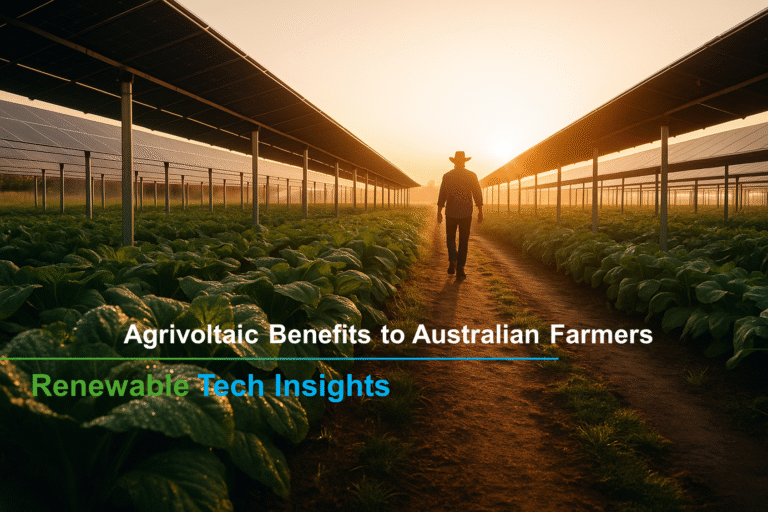
Agrivoltaics is evolving beyond proof-of-concept toward scalable, climate-smart farming solutions. As Australia and the world invest in integrated food-energy systems, new innovations from luminescent solar materials to precision irrigation promise to redefine how we cultivate land, conserve water, and generate power together.
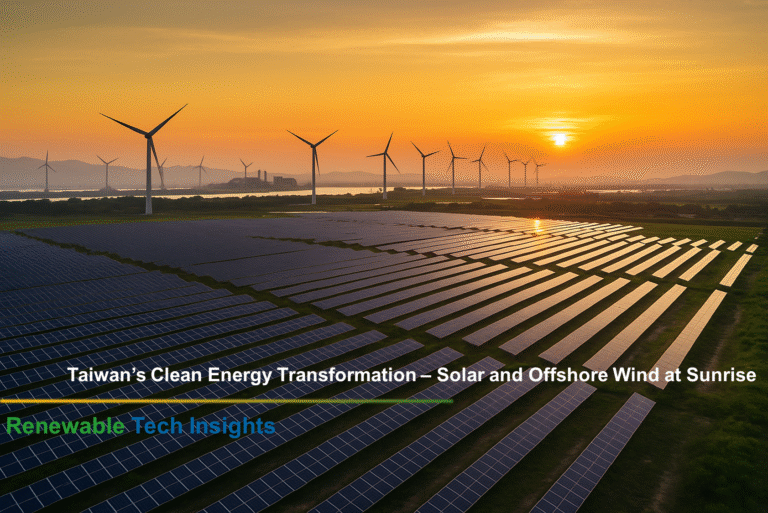
Energy Taiwan 2025 offered a glimpse into how Taiwan’s solar, wind, and AI industries are aligning to build a more resilient, net-zero energy system.